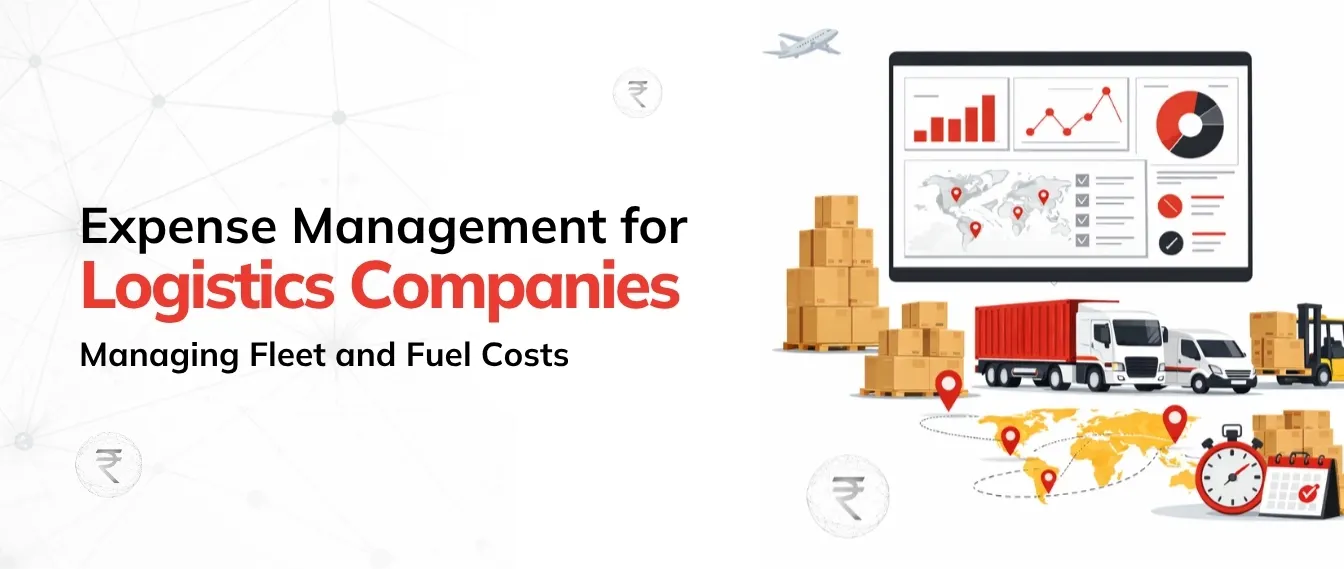
Multi-Entity Expense Management: One Policy Across Group Companies
Groups with several companies often run expenses entity by entity: separate cards, separate sheets, separate approvers. The CFO then has to add everything up by hand to see the group.
What goes wrong with separate setups
- The same expense is allowed in one company and refused in another
- Reports arrive in different formats and on different dates
- Shared vendors are paid by several entities with no common view
What to look for
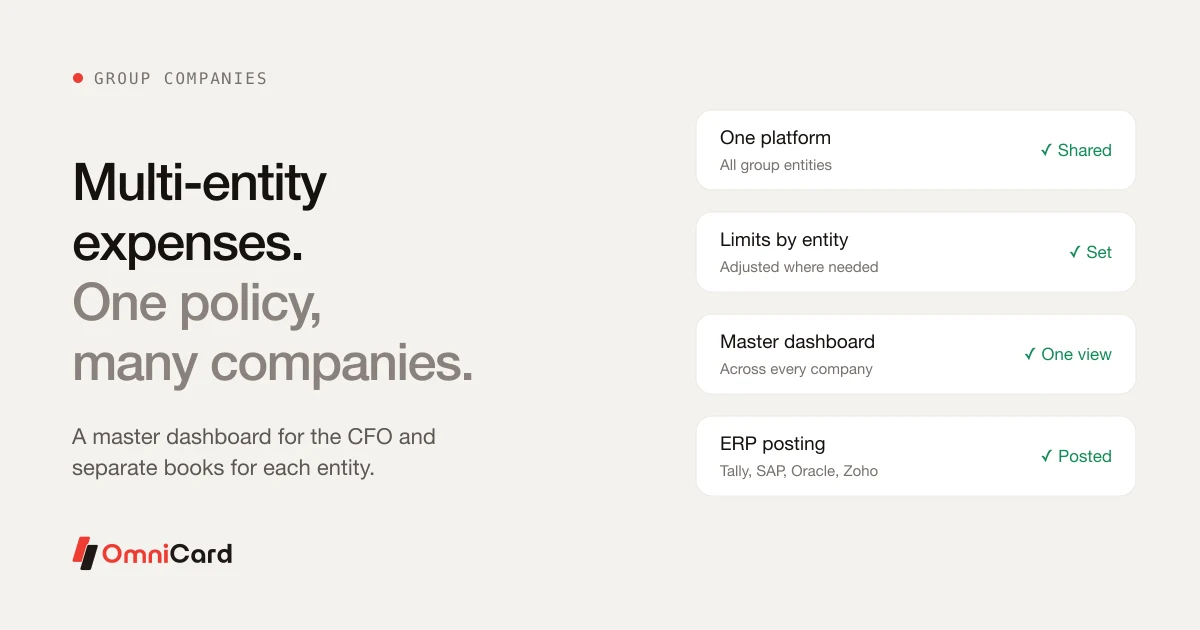
- One policy that can be adjusted per entity
- Separate ledgers and cost centres for each company
- A master view across all entities
- Posting to each entity's books in the accounting system
Questions to ask
Can a user work for more than one entity? Can limits differ by entity? Can the CFO see the group without exporting files?
How OmniCard fits
OmniCard supports group companies and entities on one platform, with a master dashboard across all of them. Entries post to your ERP: Tally, SAP, Oracle (NetSuite, Fusion), Zoho, Microsoft Dynamics, or custom systems through APIs. OmniCard is run by Eroute Technologies Pvt. Ltd., an RBI-authorised Prepaid Payment Instrument (PPI) issuer and a direct NPCI issuer for RuPay cards, UPI (the @omni handle) and FASTag, with no sponsor bank in between.
Related: Corporate card reconciliation
Keep reading
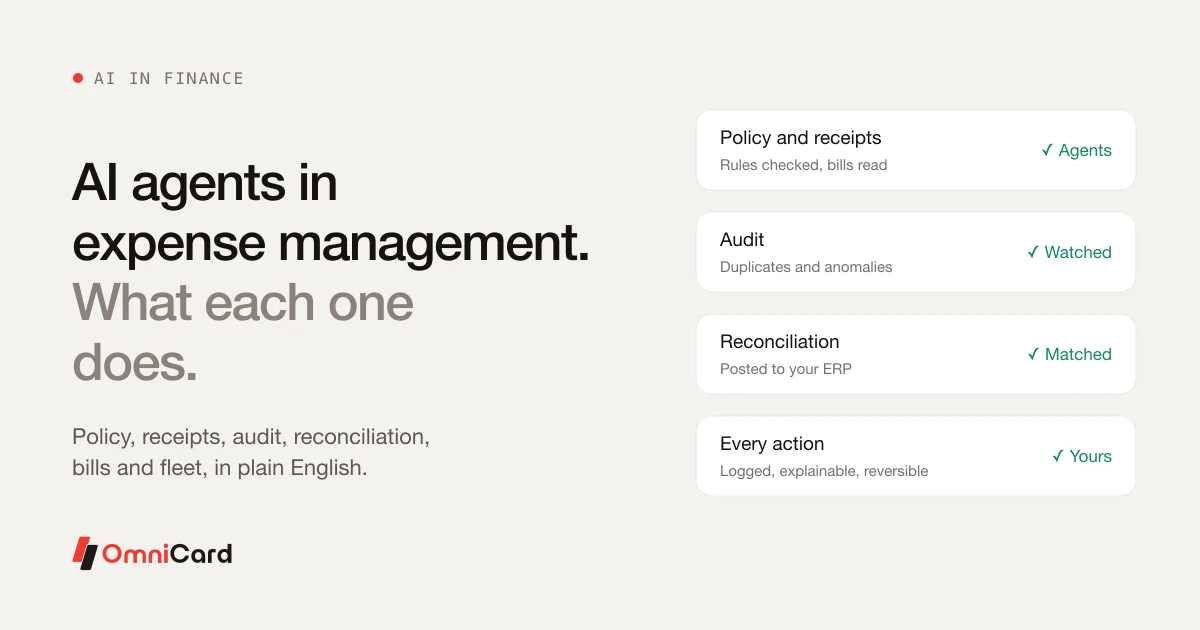
AI Agents in Expense Management: What Each One Actually Does
Are there expense management tools that provide AI-driven spend analysis and anomaly detection for Indian companies

Expense Management for Multi-Store Retail Businesses: A Strategic Guide

How Telecom Companies Improve Field Operations with Smart Expense Management

Expense Management for Travel and Tourism Companies