Why Flexi-Benefits Matter in the Hybrid Workplace

The modern workplace is no longer confined to office walls. Employees log in from homes, co-working spaces, cafés, and sometimes even from different continents. In this hybrid reality, organizations face a new challenge — how to design benefits that feel relevant, personal, and inclusive for everyone. Enter flexi-benefits — a dynamic, employee-centric approach to rewards and perks that’s fast becoming the foundation of engagement in the hybrid era. Unlike traditional benefits that apply the same policy to every employee, flexi-benefits allow individuals to choose perks that align with their needs, lifestyle, and priorities. In 2026 and beyond, as flexibility defines how we work, flexi-benefits will define how we thrive. Let’s explore why they matter and how organizations can harness them to build happier, more productive teams.
What Are Flexi-Benefits?
Understanding the Concept: Flexi-benefits, or flexible employee benefits, are personalized compensation structures that give employees the freedom to customize their perks from a pre-approved set of options. Instead of offering one-size-fits-all packages like fixed allowances or static insurance covers, flexi-benefits allow employees to pick what suits them best — whether it’s meal cards, wellness vouchers, upskilling budgets, or travel perks. This approach acknowledges a simple truth: employees have different lives, responsibilities, and aspirations. What motivates a young professional might not appeal to a working parent, and flexi-benefits let both feel equally valued.
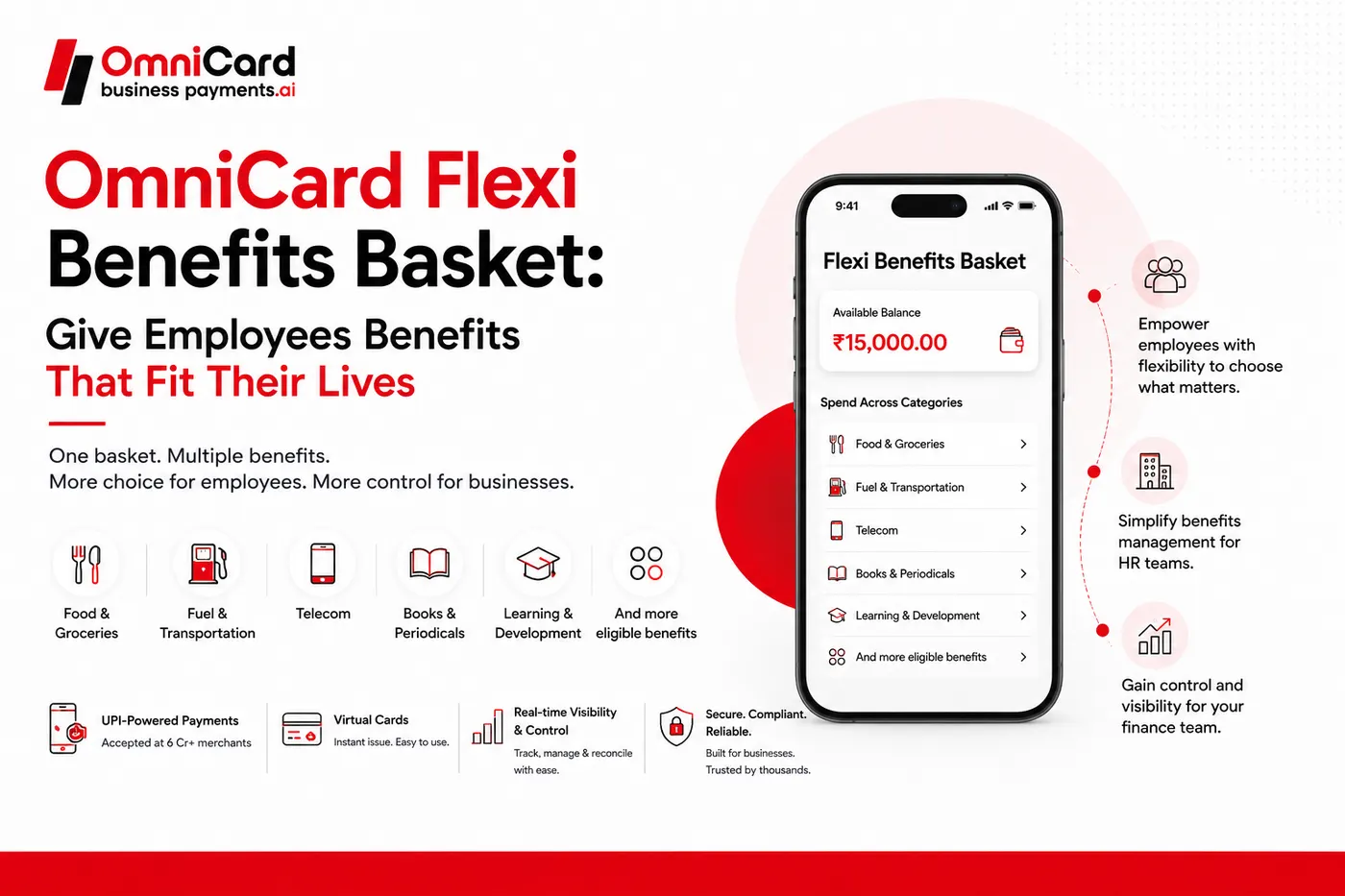
How Flexi-Benefits Work: Typically, employers allocate a fixed benefit budget to each employee. The employee then decides how to distribute it across available benefit categories through a digital platform or HR portal. For instance, one might spend more on medical coverage, while another might allocate more towards learning or travel reimbursements. It’s customization at scale, designed to enhance satisfaction without increasing cost.
The New Context: Hybrid Workplaces
The Shift in Workplace Dynamics: The hybrid model has redefined how, where, and when people work. Employees today seek not just salary, but autonomy, balance, and flexibility. Traditional benefits like gym memberships or transport allowances feel irrelevant to employees working remotely. In contrast, flexi-benefits offer inclusivity — a framework that adapts to diverse working styles and geographies.
The Expectation Gap: A major reason why companies are embracing flexi-benefits is the expectation gap between employers and employees. While companies believe they’re offering great perks, employees often find them misaligned with real-life needs. Flexi-benefits bridge this gap by letting individuals decide what value means to them, be it financial savings, mental wellness, or professional growth.
Why Flexi-Benefits Matter
Personalization as a Motivator: In a hybrid environment, personalization drives engagement. When employees feel that their organization understands their lifestyle and preferences, they become more loyal and motivated. Flexi-benefits turn generic reward structures into personal experiences, reinforcing the message: “We value you as an individual.”
Inclusivity Across Diverse Teams: Hybrid teams are geographically and demographically diverse. A single benefit policy rarely fits all. Flexi-benefits allow organizations to embrace diversity by design, offering equal opportunities for satisfaction across locations, roles, and generations. Whether it’s a work-from-home allowance for a remote employee or wellness credits for an office-goer, flexi-benefits balance fairness and flexibility effortlessly.
Retention and Employer Branding: In the post-pandemic talent economy, employees weigh benefits as heavily as salary. Offering flexi-benefits communicates adaptability and empathy — qualities that enhance employer branding. Companies with personalized benefit structures experience lower attrition and stronger retention, as employees associate such organizations with care and trust.
Flexi-Benefits vs. Traditional Benefits
The Limitation of Traditional Models: Traditional benefit models were built for an era where employees shared the same workspace, schedule, and lifestyle. They offered static allowances like conveyance, canteen, or uniform benefits — useful once, but restrictive now. In hybrid environments, such rigidity feels outdated. Employees working remotely often don’t use location-based perks, leading to wasted benefits and disengagement.
The Edge of Flexibility: Flexi-benefits outperform traditional ones because they adapt. They empower employees to choose, rather than comply. Instead of fixed perks, organizations can now design modular benefit stacks that include:
Health & wellness credits
Learning and upskilling budgets
Digital meal cards or prepaid vouchers
Home-office reimbursements
Commuting or travel allowances
Lifestyle perks like OTT subscriptions or gym memberships
By providing choice, companies unlock higher perceived value without necessarily increasing spending.
The Business Case for Flexi-Benefits
Enhancing Employee Experience: Employee experience isn’t just about work tools — it’s about feeling supported. Flexi-benefits create emotional equity by showing employees that the organization acknowledges their unique needs. A well-implemented flexi-benefit plan can significantly improve employee satisfaction scores and overall morale, leading to better performance.
Financial Efficiency for Organizations: Contrary to assumptions, flexi-benefits don’t inflate budgets. In fact, they often optimize spending. Since unused or irrelevant benefits are eliminated, companies ensure that every rupee spent contributes directly to employee value. It’s a smarter allocation of HR budgets with measurable ROI.
Boosting Productivity: When employees can balance personal needs without bureaucratic hurdles, they’re more focused and productive. A digital flexi-benefit system automates reimbursements, reduces manual claims, and frees HR teams from repetitive processes — improving efficiency organization-wide.
Implementing Flexi-Benefits
Start with Listening: The first step to building an effective flexi-benefit framework is to listen to employees. Surveys, focus groups, and feedback tools help identify what employees truly value. This data-driven approach ensures that benefits are relevant, desired, and equitable.
Choose the Right Platform: Modern flexi-benefit programs rely on digital platforms that simplify selection, management, and redemption. Employees can view their balance, pick benefits, and modify preferences in real time. This self-service model enhances engagement while reducing HR’s administrative workload.
Ensure Policy Flexibility: Flexi-benefits should evolve with business and workforce needs. Periodically revising categories and limits keeps the system fresh and aligned with changing priorities like introducing mental health benefits or skill-building budgets as new demands arise.
Communicate and Educate: Even the best programs fail without awareness. Clear communication, onboarding materials, and interactive workshops help employees understand how to maximize their flexi-benefit budgets effectively.
How Hybrid Workplaces Thrive with Flexi-Benefits
Empowerment and Trust: Hybrid workplaces thrive on autonomy. Flexi-benefits reinforce this by giving employees control over their compensation experience. The psychological impact of being trusted to choose one’s own perks cultivates ownership and accountability — key traits in distributed teams.
Strengthening the Culture of Care: In hybrid setups, where physical interaction is limited, benefits become one of the strongest expressions of organizational culture. Flexi-benefits signal empathy, creating emotional connection even in virtual workplaces. Employees feel seen and supported, strengthening loyalty in the long term.
Scalability and Adaptability: As hybrid models evolve, so do employee priorities. Flexi-benefits can scale easily — adding new options or modifying categories without structural overhaul. This adaptability ensures that the organization remains future-ready, able to accommodate diverse workforce needs seamlessly.
The hybrid workplace has redefined not just how we work, but how we feel about work. In this new reality, benefits must mirror flexibility, inclusivity, and personalization — the three pillars of the modern employee experience. Flexi-benefits deliver exactly that. They empower employees with choice, make organizations financially efficient, and strengthen the cultural bond between employer and employee. In 2026 and beyond, companies that adopt flexi-benefits won’t just retain talent; they’ll set new benchmarks for empathy, engagement, and excellence.