The Psychology of Employee Rewards in 2026
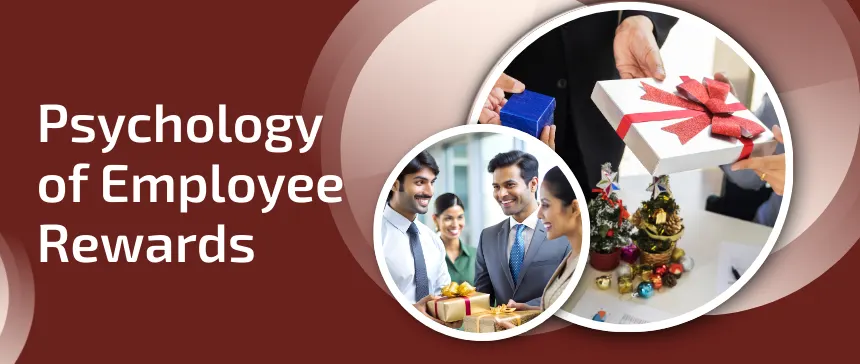
In the evolving world of work, employees no longer seek just paychecks — they seek purpose, recognition, and belonging. The psychology of work has shifted from survival to self-actualization. And in this landscape, employee rewards play a far deeper role than mere incentives; they’re a strategic force that shapes motivation, loyalty, and performance.
As we approach 2026, the way businesses design and deliver rewards is undergoing a seismic shift. It’s no longer about cash bonuses or annual trophies. It’s about personalized, meaningful, and digital-first experiences that resonate with the modern workforce. Let’s explore how the psychology behind employee rewards is evolving, why they matter more than ever, and how organizations can use them to build motivated, future-ready teams.
The Psychology Behind Employee Rewards
From Transactional to Emotional: Traditionally, employee rewards were transactional — a direct exchange between performance and recognition. But today, employees seek emotional validation. A “thank you” with intent, a personalized digital gift, or public appreciation can ignite deeper motivation than monetary bonuses alone. The new-age workforce values empathy and acknowledgment — they want to feel seen and appreciated. Rewards that connect emotionally create long-term engagement rather than short-term satisfaction.
The Science of Motivation: At its core, the psychology of rewards aligns with behavioral science. Recognition activates the brain’s dopamine and serotonin systems — the very chemicals responsible for happiness, motivation, and a sense of achievement. In simple terms, rewards make employees feel good — but consistent, thoughtful, and transparent rewards make them feel valued. And that distinction shapes retention, morale, and productivity at scale.
Intrinsic vs. Extrinsic Rewards: The modern workforce responds to a balance between intrinsic rewards (growth, learning, belonging) and extrinsic rewards (money, perks, recognition). Organizations that focus only on one side miss the bigger picture. 2026’s leading companies are those that blend personal growth opportunities, flexible benefits, and emotional recognition with tangible, performance-linked rewards.
The Importance of Employee Rewards in 2026
A New Era of Workforce Expectation: By 2026, employee expectations have evolved beyond traditional compensation. They want rewards that reflect their individuality, align with company purpose, and adapt to hybrid or remote lifestyles. Rewards are no longer just about incentives; they’re about identity and inclusion. An employee who feels recognized contributes more creatively, collaborates better, and connects deeply with the organization’s goals.
The Retention Imperative: With high turnover rates and talent shortages across industries, rewards have become a core retention strategy. Employees who feel unrecognized are twice as likely to quit, while those regularly appreciated are 30% more productive. Rewards in 2026 will be less about hierarchy and more about inclusivity — recognizing every contribution, big or small, across departments and levels.
Why Employee Rewards Matter in Today’s Dynamic World
Driving Engagement in Hybrid Workspaces: In hybrid and remote work models, physical distance can create emotional disconnection. Employee rewards bridge that gap by creating a sense of belonging and shared purpose. Digital recognition platforms, gamified reward systems, and instant digital gifting solutions help companies celebrate wins in real time — keeping culture vibrant even across screens.
Reinforcing Company Culture: Rewards reflect what a company stands for. Recognizing innovation reinforces creativity. Appreciating collaboration strengthens teamwork. Rewarding punctuality builds discipline. In essence, rewards shape behavior. When aligned with values, they turn culture into a living, breathing system that guides how people act, engage, and grow.
Encouraging Purpose-Driven Performance: Modern employees crave purpose. When rewards are tied to meaningful impact — like sustainability goals or social contributions — they drive not just performance, but pride. Purpose-driven rewards make employees feel like co-architects of change, not just contributors to profit.
How Rewards Reshape Employee Psychology
Building Emotional Ownership: Rewards create emotional ownership. When employees are consistently recognized, they start seeing the organization’s success as their own. That’s the foundation of long-term loyalty.
Boosting Confidence and Self-Worth: Recognition boosts self-esteem. It validates employees’ skills and efforts, turning ordinary days into memorable milestones. The brain associates reward with competence — motivating future excellence.
Reducing Burnout and Stress: Acknowledgment acts as a natural stress reliever. In high-pressure environments, rewards serve as positive feedback loops that help employees recharge emotionally.
Strengthening Peer Relationships: Modern reward systems often include peer-to-peer recognition. This creates social reinforcement — employees start celebrating each other’s successes, leading to a more cohesive and collaborative culture.
How Businesses Benefit from Employee Rewards
Higher Productivity and Innovation: Recognition fuels ambition. Employees who feel appreciated are more willing to go the extra mile, contribute new ideas, and take initiative. Companies with strong reward cultures see up to 40% higher innovation output, as employees feel empowered to take creative risks without fear of being overlooked.
Reduced Attrition and Hiring Costs: Replacing an employee can cost up to 1.5x their annual salary. But with the right rewards system, retention rises, and turnover costs fall dramatically. A small investment in rewards leads to massive long-term savings.
Enhanced Brand Image: A rewarding company culture becomes a magnet for talent. In an era where employer branding drives recruitment, having a transparent, engaging, and personalized reward system sets businesses apart.
How Employees Benefit from Rewards
Sense of Belonging and Value: When employees receive recognition, it tells them their work matters. This feeling of belonging improves motivation and deepens their emotional connection with the organization.
Opportunities for Growth: Modern rewards go beyond gifts — they include learning opportunities, digital perks, and professional upskilling, empowering employees to grow both personally and professionally.
Financial and Emotional Security: Smart organizations combine digital gifting, instant recognition, and flexible benefits to create a 360° sense of security. Employees no longer wait months for bonuses or appraisals — they feel appreciated throughout the year.
Emerging Reward Trends for 2026
Digital and Instant Recognition: The future of rewards is instant. AI-powered platforms will automate recognition, send digital gifts, and even suggest personalized rewards based on employee data and preferences.
Hyper-Personalization: Generic rewards are losing relevance. In 2026, organizations will embrace personalization — tailoring rewards to hobbies, achievements, and even employee wellness goals.
Experience Over Possessions: Millennials and Gen Z employees value experiences over things. Expect rewards like curated trips, wellness retreats, or virtual learning sessions to gain traction.
Data-Driven Rewards: Analytics will play a major role in evaluating which rewards drive the best outcomes. Data will guide personalization, fairness, and effectiveness in recognition programs.
Integration with ESG and Purpose: Sustainability-driven rewards will take center stage — employees rewarded for contributing to CSR goals, eco-friendly practices, or community initiatives. Rewards will reflect values, not just performance.
Building a Future-Ready Reward System
To thrive in 2026, businesses must design reward systems that are digital, personalized, and human-centered. The key is to build rewards around real emotions — appreciation, trust, and belonging — not just numbers.
This means integrating tools that automate recognition but retain authenticity. It means aligning rewards with company purpose and individual growth. Most importantly, it means ensuring that every employee, regardless of location or role, feels seen, valued, and motivated. The companies that master this balance will not only retain their best talent but also build cultures that thrive on gratitude and growth.
The Future of Rewards Is Human
As we move toward 2026, employee rewards will no longer be side initiatives — they’ll be strategic pillars of engagement and culture. Rewards will be instant, intelligent, and deeply personal — powered by data but driven by empathy. They’ll define how organizations connect with people, how people connect with purpose, and how cultures evolve. In the end, the psychology of employee rewards isn’t about money or perks — it’s about meaning. And in 2026, meaning will be the ultimate reward.